
There’s plenty of wedding industry data out there but unfortunately, most of it treats the LGBTQ+ wedding planning experience as a single line item (if it asks at all). What’s missing is a current-day report built around LGBTQ+ couples: their priorities, their decisions, their experience of planning a wedding. So we made one.
When most people think on what an inclusive wedding means, they think surface-level details: pronouns on signage, two grooms on the cake, an officiant who uses the right language. We surveyed LGBTQ+ couples — whose statuses ranged from engaged to recently wed — about what an inclusive wedding actually looks like to them.
So today we’re so proud to be publishing the first The State of LGBTQ+ Weddings Report. Here’s what the data is telling us, and what we think the wedding industry should do about it.
Personal values are winning. Tradition is losing.
This was THE LOUDEST finding in the survey, and it backs up the shift that we’ve seen in weddings across the board over recent years.
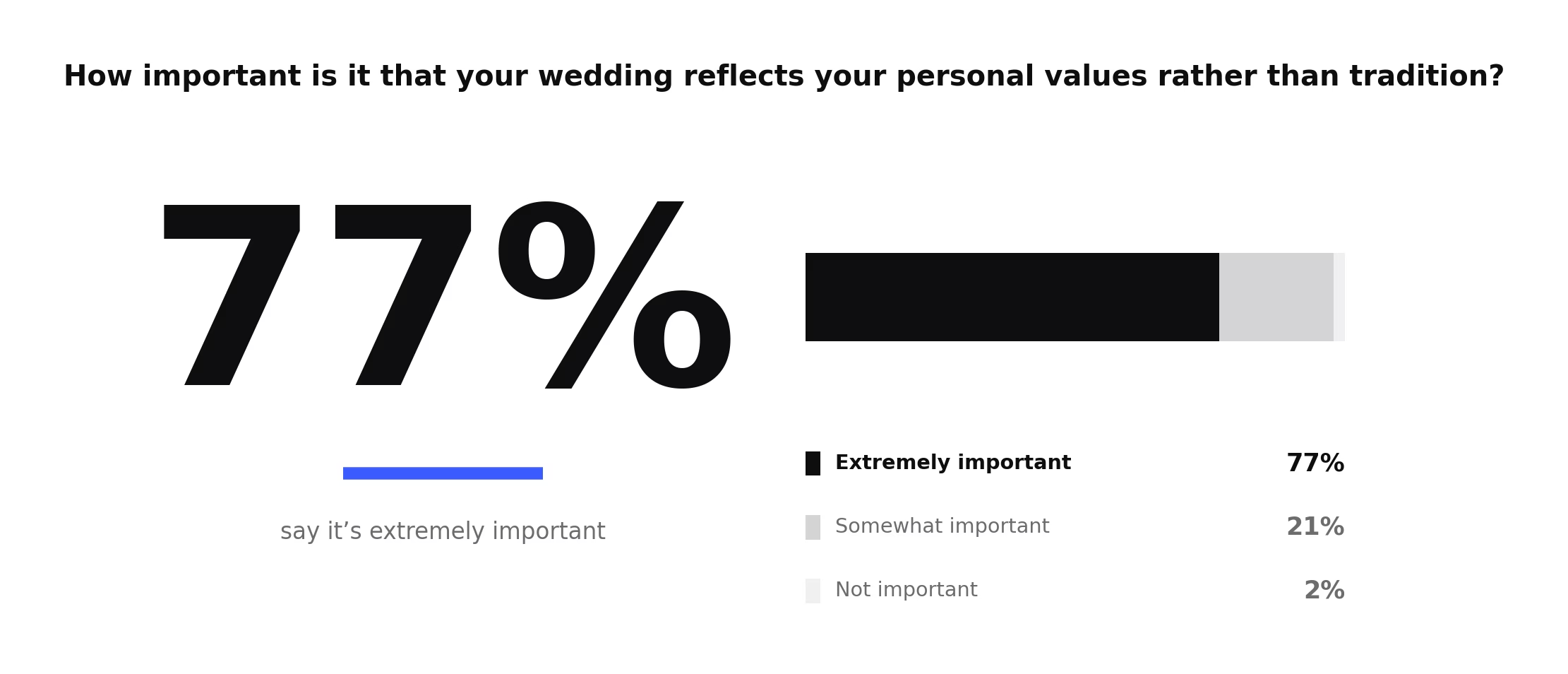
Three out of four couples said it was “extremely important” that their wedding reflect their personal values rather than traditional expectations. And among the couples who were furthest into the planning process (i.e. the ones already making decisions instead of imagining them) that number jumped to 96%.
That’s not a just generational softening of tradition … that’s a categorical shift of what a wedding is for.
The traditions on the chopping block are the gendered ones
When we asked which wedding elements felt outdated, the top answers had something in common — they were all rooted in heteronormative gender roles.
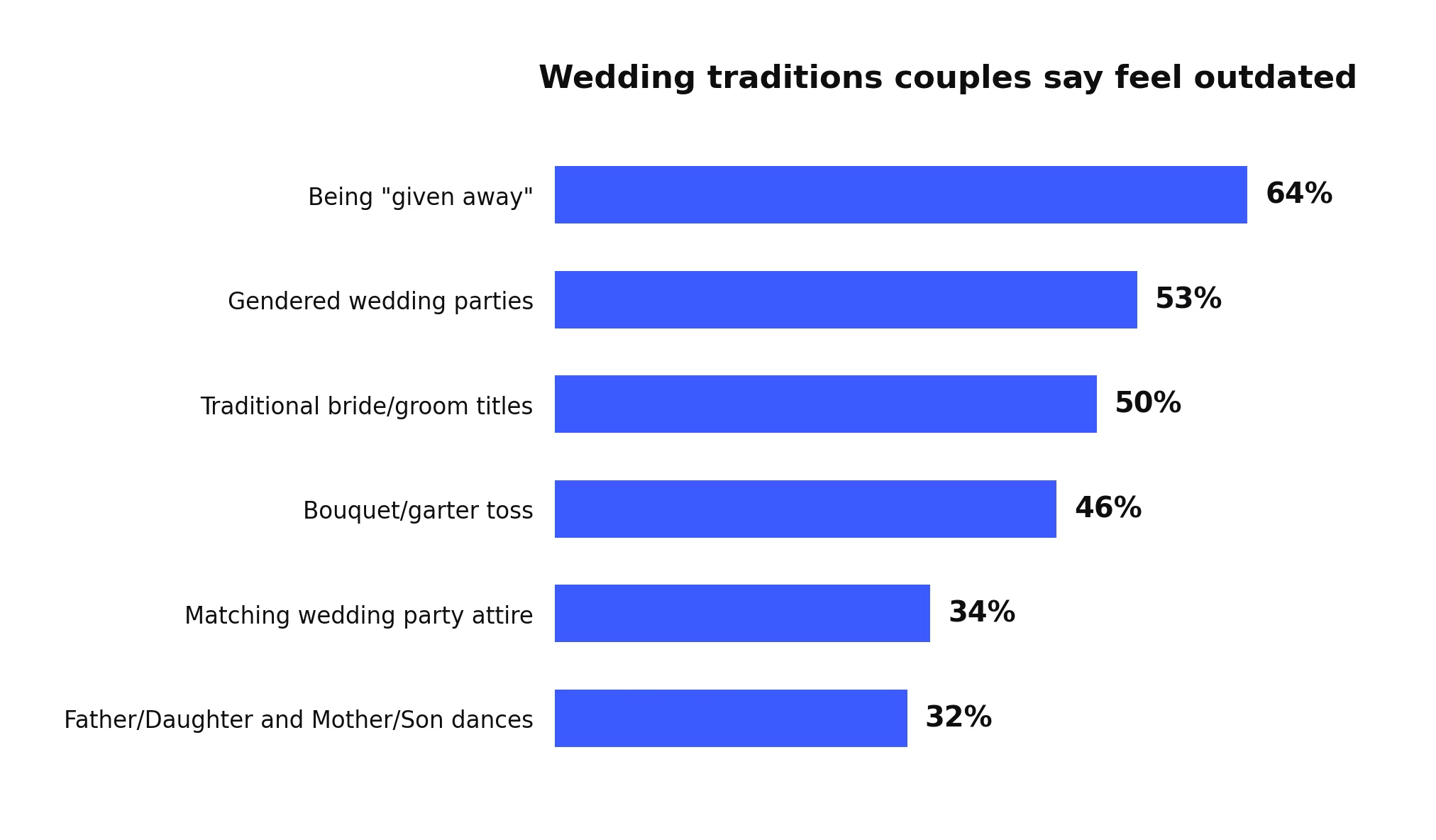
Every single one of the top six is built around a gender role. Being ‘given away.’ Gendered wedding parties. Bride and groom as defaults. Parent dances split by gender. Tosses sorted by gender and single status.
And couples aren’t just calling these traditions out, they’re acting on it. Nearly half (45%) have already rewritten ceremony or vow language to strip out traditional gender roles, with another 27% considering it. 94% are dropping gendered wedding parties. 94% are skipping the bouquet or garter toss.
What’s interesting is what they’re not skipping. Most of these same couples are still walking down aisles. Still having parent dances. Still wearing white, if they want to. The ritual stays, it’s the gendered framing of said ritual that’s getting the boot.
Vendor inclusivity isn’t a nice-to-have … it’s a requirement.
If there’s one finding in this report that the wedding industry should staple to its wall, it’s this one. Vendors , take note!
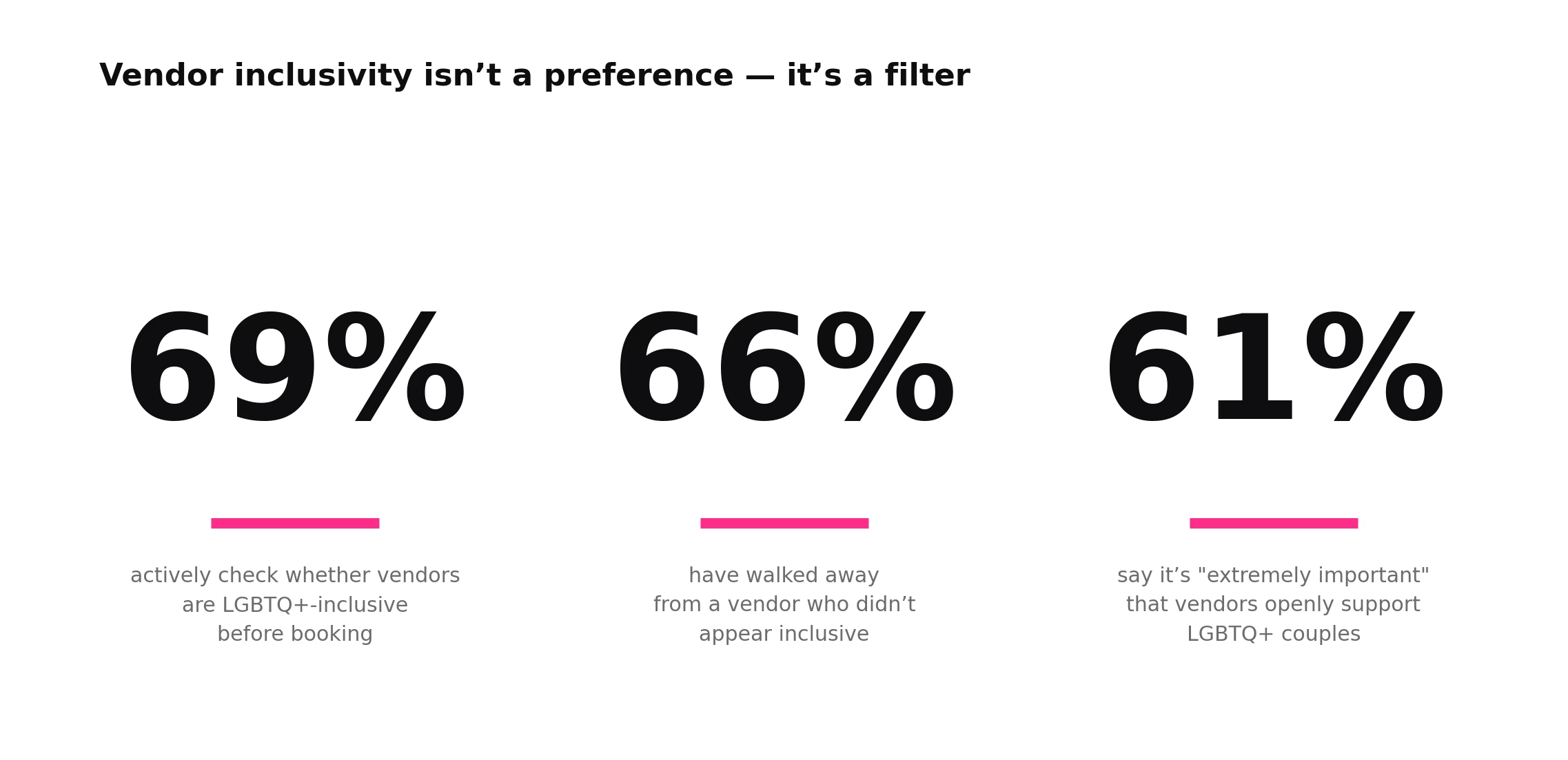
Two thirds of couples have already turned a vendor away over inclusivity concerns. What’s striking isn’t just the caution; it’s the refusal. This is a community that has stopped treating inclusivity as something to hope for and started treating it as a line they won’t cross.
And the “show, don’t tell” rule applies hard here. Couples told us they look at four signals roughly equally: a vendor’s website language, their social media posts, the weddings they’ve publicly shared, and direct conversations. A florist whose entire portfolio is straight couples in barns is sending a message and it’s being received, whether they meant to send it or not.
“Welcoming” is the floor. “Visible” is what gets booked.
Couples are choosing where to get married based on where they feel welcomed.
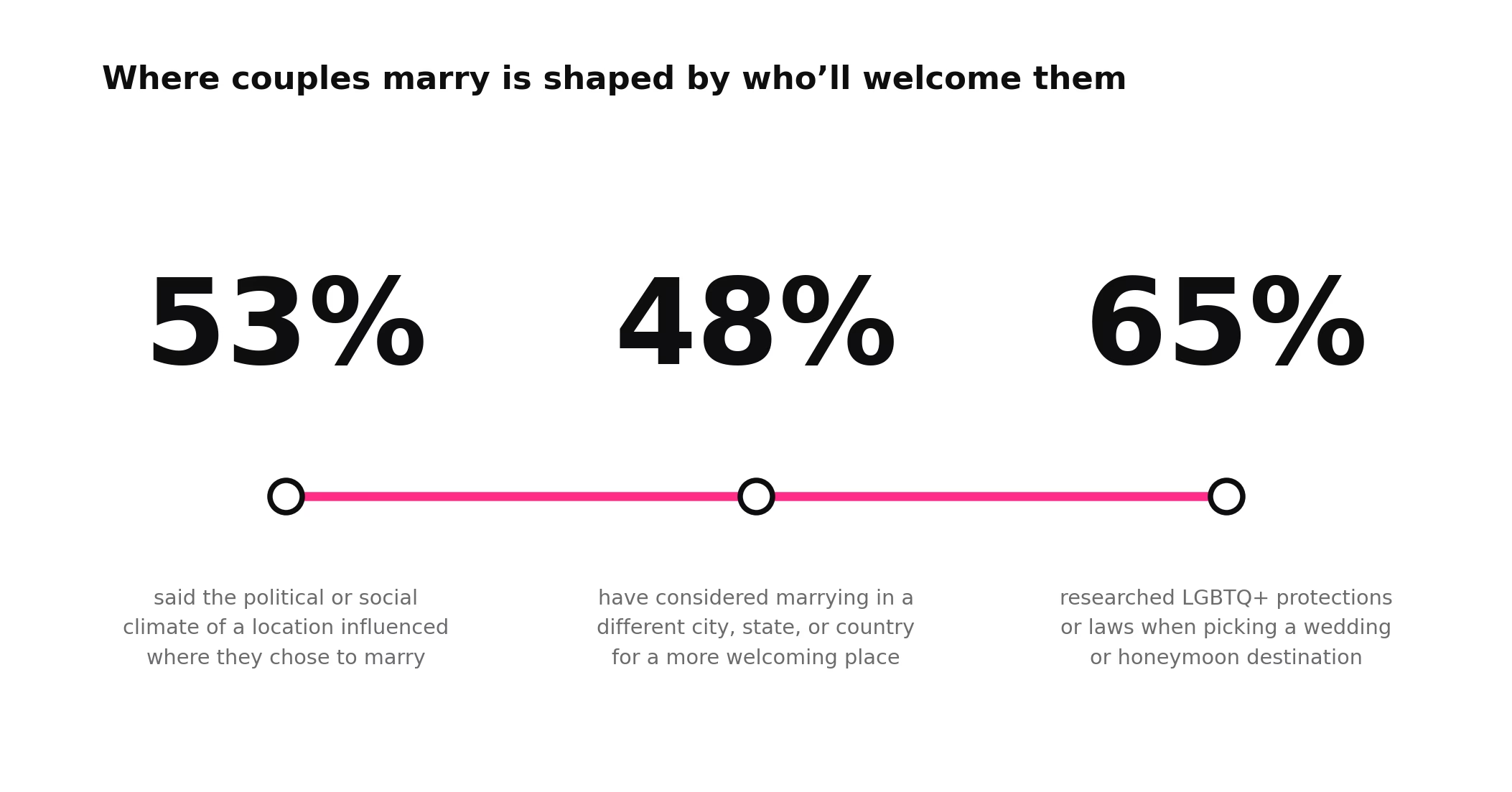
More than half of respondents said the political or social climate of a place influenced where they chose to get married. Almost half have considered relocating the wedding entirely — to a different city, a different state, a different country — because somewhere else felt more welcoming. And two thirds researched LGBTQ+ protections and laws before booking a honeymoon destination.

LGBTQ+ Honeymoon Safety Index
To help couples make informed travel choices, we created the Love Inc. LGBTQ+ Honeymoon Safety Index: a state-by-state scoring system that evaluates both legal protections and real-world experiences for LGBTQ+ travelers.
And then there’s chosen family
If you’ve ever been to a wedding where the officiant is a best friend, the maid of honor is an ex’s roommate from college who became more important than the ex, and the parent role is played by someone who isn’t technically the parent — congratulations, you’ve been to a chosen-family wedding.
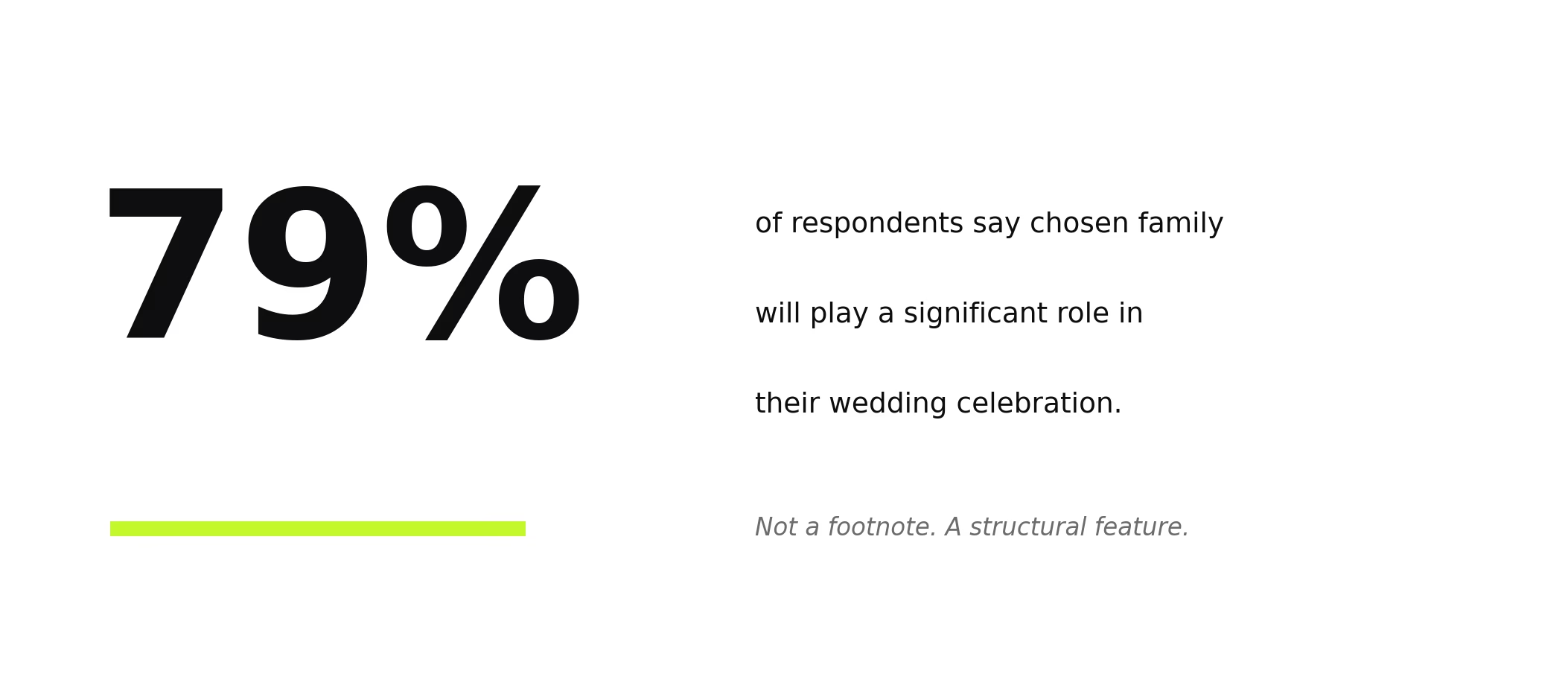
This is one of the most beautiful findings in the report, and one of the most underestimated. LGBTQ+ couples aren’t just redefining the rituals of a wedding, they’re redefining the people of it. The godparents, mentors, longtime friends, and queer elders who are family in every way that matters.
Vendors, this is another stat to put in your pocket! The seating chart isn’t always shaped like a family tree and this stat proves the importance of being sensitive to family dynamics (and not making assumptions!), especially when it comes to queer weddings.
So what does this mean for the industry?
If you’re a vendor, a venue, a publication, or a platform serving this audience, the full report has a lot of specifics and we’ll be sharing even more in the coming weeks — stay tuned! But the throughline is simple:
Couples aren’t asking to be accommodated within someone else’s tradition. They’re building a new one and they’re paying close attention to who they invite into it.
Inclusivity isn’t a layer of marketing that goes on top of a default-straight product. It’s a fundamental choice about language, imagery, vendor culture, location, and who gets to feel like the day was made with them in mind. It’s what Love Inc. has preached from the very beginning when we launched 13 years ago — inclusivity isn’t a checklist, it has to be engrained into a company’s DNA. And couples have caught up. They’re no longer hoping a vendor will get it right, they’re expecting it … and noticing when they don’t.
Cover photo from Marissa and Sofya’s Brooklyn Winery Wedding, photographed by Megan and Kenneth Photography